FG Cuts Vehicle Import Duties on 127 Tariff Lines: What Nigerian Car Dealers Need to Know
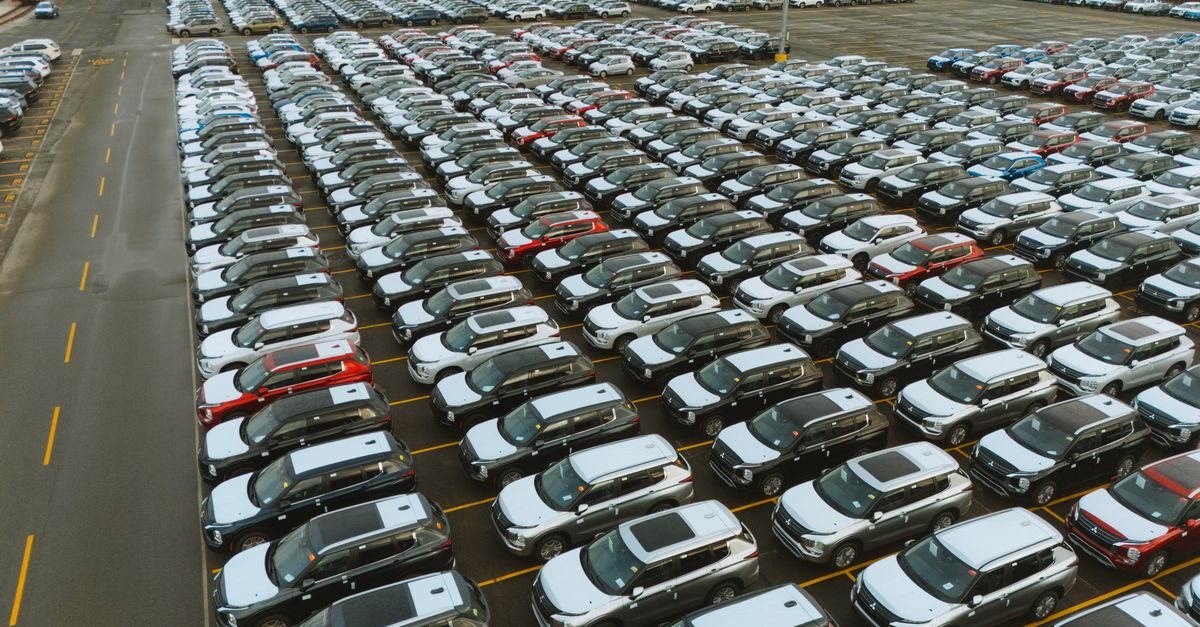
The Federal Government has reduced import duties on 127 tariff lines covering vehicles brought into Nigeria. The 127 lines span passenger cars, commercial vehicles, and vehicle parts — which covers most of what a typical dealership brings in over the course of a year. The move targets the inflation squeezing household budgets and the slowdown in new and used car sales. Officials frame the cuts as a direct lever on the price a buyer sees at the point of sale. For dealers who have watched showroom traffic shrink over the past two years, the timing matters as much as the numbers.
What actually changed
Three vehicle categories see the steepest changes:
- Brand new vehicles — import levy cut from 20% to 10%, easing the sticker price on units many dealers have struggled to move.
- Used vehicles (Tokunbo) — the segment that keeps most independent lots in business — drops from 15% to 5%.
- Fully built passenger vehicles — customs duty falls from 70% to 40%, a cut large enough to reshape sourcing decisions for dealers who import completed units rather than semi-knocked-down kits.
The catch: a green tax on big engines
The policy comes with a condition. Imported petrol vehicles with engines above 2,000cc now carry a green tax surcharge of 2% to 4%, aimed at pushing the market toward smaller, more fuel-efficient engines. Dealers who specialize in larger SUVs and executive saloons will need to weigh this surcharge against the broader duty relief when pricing stock — the net effect on any given vehicle depends on where it falls across both adjustments.
Paper savings vs. showroom prices
Consumers and dealers have welcomed the announcement, though the real test comes later. Duty reductions on paper do not automatically show up in showroom prices; that depends on how quickly customs offices implement the new rates and how much of the savings dealers choose to pass on rather than absorb into margin. Some in the trade have already asked whether government will apply the same logic to import-dependent food items — rice and chicken are the usual examples — but that question remains open. The vehicle sector already has a clearer signal to plan around.
What dealers should do now
- Recalculate landed cost on every unit in transit or on order under the new rates — do not assume the old duty figure still applies.
- Flag units above 2,000cc and check whether the green tax surcharge offsets some or all of the duty relief before you reprice them.
- Decide your pass-through — how much of the savings goes into a lower asking price versus margin recovery after two difficult years.
- Set customer expectations on timing. Customs implementation on the ground tends to lag the announcement in Abuja by weeks, not days. Buyers will notice the gap between policy and price, and dealers who explain it keep more trust than those who stay silent.
Getting this right for every vehicle in your inventory — new landed cost, surcharge exposure, updated asking price — is exactly the kind of tracking that gets messy in a notebook and easy in DealerBoss. Log the new duty rate per vehicle, see your updated margin instantly, and reprice your whole lot with confidence instead of guesswork.